- Series
- | Authors
- | Book Release Calendar
- | Search |
- Genres
- | Newsletter
- Welcome to FictionDB, Guest
- | My Account
- | Help

Our Most Popular Space Opera Novels
What Is Space Opera?
Space Opera is a subgenre of science fiction (and sometimes science fantasy) that focuses on epic, sweeping adventures set in vast outer space universes where faster-than-light (FTL) travel, interstellar empires, alien civilizations, and advanced technology are commonplace. It emphasizes grand-scale drama, action, heroism, romance, and spectacle over strict scientific realism -- think "soap opera in space," but with spaceships, laser battles, and galaxy-spanning stakes. The term originated in the 1940s as a somewhat derogatory label (like "horse opera" for Westerns or "soap opera" for TV dramas), implying melodramatic, over-the-top stories with corny plots and larger-than-life characters. Over time, it became a respected and celebrated subgenre, especially for its fun, optimistic tone and sense of wonder.
Key Characteristics:
- Huge scope -- Stories span planets, solar systems, or entire galaxies; conflicts involve empires, wars, rebellions, or cosmic threats.
- High drama & melodrama -- Bold heroes, villainous tyrants, epic romances, betrayals, revenge, and personal stakes amid galactic events.
- Action & adventure -- Space battles, chases, piracy, exploration, daring rescues, and swashbuckling energy.
- Optimistic or heroic tone -- Often features sympathetic protagonists who save the day; happy endings (or at least triumphs) are common.
- Ensemble casts -- Quirky crews, ragtag rebels, noble families, or military units with banter and relationships.
- Soft sci-fi lean -- Tech (hyperdrives, blasters, aliens) exists to serve the story, not rigorous physics; sometimes includes psychic powers or "space magic" (e.g., the Force in Star Wars).
- Themes -- Heroism, loyalty, empire vs. rebellion, cultural clashes, destiny, and the human (or alien) spirit.
Space opera is perfect if you love big emotions, thrilling escapism, and stories where one person (or a plucky crew) can change the fate of the stars.
To see other sub-genres, click on any book on the site and navigate to the genres section of the book detail page.
Top Space Opera Series Ordered by Popularity
Top Space Opera Authors Ordered by Popularity
Top Space Opera Books Ordered by Popularity
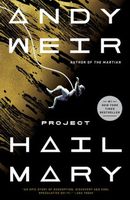
Project Hail Mary Andy Weir May-2021
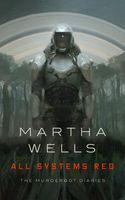
All Systems Red Martha Wells May-2017
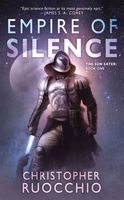
Empire of Silence Christopher Ruocchio Jul-2018
Dune Frank Herbert 1965
Heir to the Empire Timothy Zahn Jun-1991
Leviathan Wakes James S.A. Corey Jun-2011
A Hymn Before Battle John Ringo Oct-2000
Slow Gods Claire North Nov-2025
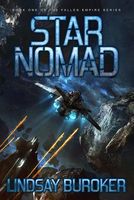
Star Nomad Lindsay Buroker Jun-2016
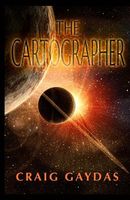
The Cartographer Craig Gaydas Jan-2014
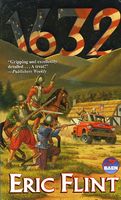
1632 Eric Flint Feb-2000
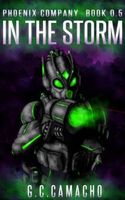
In The Storm G.C. Camacho Aug-2023
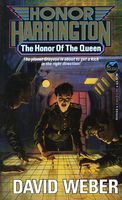
The Honor of the Queen David Weber Jun-1993
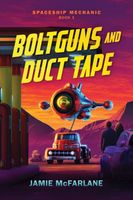
Boltguns and Duct Tape Jamie McFarlane Sep-2025
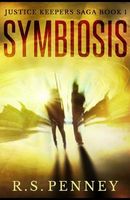
Symbiosis R.S. Penney Oct-2015
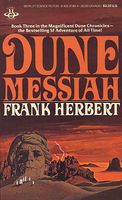
Dune Messiah Frank Herbert 1970
Children of Dune Frank Herbert May-1976
The Left Hand of Darkness Ursula K. Le Guin Mar-1969
Chaos Rising Timothy Zahn Sep-2020