- Series
- | Authors
- | Book Release Calendar
- | Search |
- Genres
- | Newsletter
- Welcome to FictionDB, Guest
- | My Account
- | Help

Our Most Popular Hard-Boiled Novels
What Is Hard-Boiled?
Hard-boiled mystery (also called hard-boiled detective fiction or simply hard-boiled) is a gritty, unsentimental subgenre of crime and detective fiction that emerged in the United States in the 1920s, primarily through pulp magazines like Black Mask. It contrasts sharply with the more genteel, puzzle-focused "Golden Age" British mysteries (e.g., Agatha Christie, cozy-style whodunits) by embracing raw realism, urban corruption, moral ambiguity, and tough protagonists who navigate a flawed, violent world. The term "hard-boiled" refers to the "tough as a hard-boiled egg" attitude of its characters -- cynical, street-smart, and emotionally guarded -- while delivering fast-paced, slang-heavy narratives filled with graphic violence, sex, betrayal, and social commentary.
Key Characteristics:
- Protagonist: Almost always a private investigator (P.I.) or lone operative -- tough, cynical, often alcoholic or damaged, operating on a personal code of honor rather than strict legality. They're antiheroes: flawed, independent, loners who get beaten, betrayed, and tempted but persist. They battle corrupt systems (police, politicians, organized crime) as much as individual criminals.
- Tone & style: Gritty, cynical, unsentimental. Prose is terse, vivid, slang-filled, with sharp dialogue and first-person narration common (showing the detective's inner thoughts). No cozy charm -- expect brutality, moral gray areas, and a sense of inevitable corruption.
- Settings: Urban, seedy American cities (Los Angeles, San Francisco, New York) during Prohibition (1920s-1930s) or its aftermath. Rain-slick streets, smoky bars, jazz clubs, vice dens -- atmospheres of decay and danger.
- Plots: Crime investigation (murder, blackmail, missing persons) intertwined with larger conspiracies, organized crime, or personal vendettas. Focus on the detective's journey through a corrupt world more than airtight puzzles. Endings often bittersweet or ambiguous -- justice is partial, tainted, or costly.
- Themes: Corruption (institutional and personal), alienation, the illusion of justice, human weakness, loyalty vs. betrayal, the cost of integrity in a rotten society.
- Violence & content: Graphic (for its era), including beatings, shootings, sexual tension (often with femme fatales -- seductive, dangerous women), and moral compromises. Less gore than modern thrillers, but far darker than cozies.
Hard-boiled overlaps with noir (noir is often darker/more hopeless; hard-boiled emphasizes tough resilience), but they're distinct: hard-boiled is a style (gritty prose, tough hero), noir more an atmosphere/content. Hard-boiled mysteries are tough, street-level crime stories where a lone, scarred detective fights through corruption and violence with grit and a battered sense of right and wrong. If the hero cracks wise while getting slugged in a dark alley, distrusts the system, and still chases justice on his own terms -- it's hard-boiled. The genre captures the raw, unromantic side of American crime fiction at its most iconic.
To see other sub-genres, click on any book on the site and navigate to the genres section of the book detail page.
Top Hard-Boiled Series Ordered by Popularity


Top Hard-Boiled Authors Ordered by Popularity
Top Hard-Boiled Books Ordered by Popularity
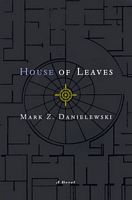
House of Leaves Mark Z. Danielewski Mar-2000
Eleven Carolyn Arnold Nov-2011
The Boat Man Dustin Stevens May-2016
The Black Ice Michael Connelly Jun-1993
In Cold Blood Truman Capote 1965
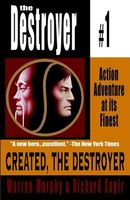
Created, the Destroyer Warren Murphy; Richard Sapir 1973
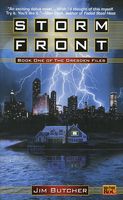
Storm Front Jim Butcher Apr-2000
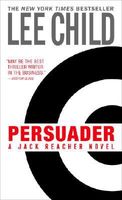
Persuader Lee Child May-2003
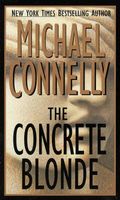
The Concrete Blonde Michael Connelly Jun-1994

The Winterstone Murder Paul Austin Ardoin Aug-2021

Corpses Say the Darndest Things Doug Lamoreux May-2014
The Left Hand of Darkness Ursula K. Le Guin Mar-1969
The Scarecrow Michael Connelly Jun-2009
Murder on the Mind L.L. Bartlett Dec-2005
But Not Forgotten B.J. Bourg Feb-2016
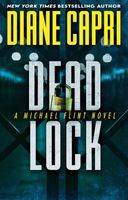
Dead Lock Diane Capri Jul-2025
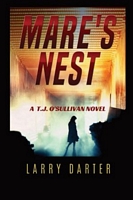
Mare's Nest Larry Darter Apr-2018
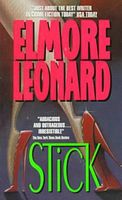
Stick Elmore Leonard 1983
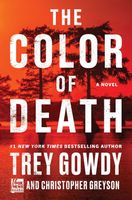
The Color of Death Trey Gowdy Sep-2025